

How to Start a Kitchen Garden at Home: A Complete Beginner’s Guide
A kitchen garden is one of the most rewarding hobbies you can start at home. It allows you to grow fresh, organic herbs, vegetables, and greens while saving money and promoting a healthier lifestyle. Even if you have limited space, such as a small balcony, terrace, or windowsill, you can still cultivate a thriving mini-garden. Gardening is not just about growing plants; it’s about connecting with nature, learning patience, and gaining the satisfaction of nurturing life from seed to harvest.
This guide will cover everything a beginner needs: from choosing the right plants and tools, to planting, watering, harvesting, and troubleshooting common mistakes. By following these steps, even first-time gardeners can enjoy the benefits of fresh produce right from their own home. We will also include tips for maximizing yields, dealing with seasonal changes, and maintaining plant health throughout the year.
Beginner-Friendly Plants to Start With
Choosing easy-to-grow plants ensures a successful and stress-free start. Beginners should focus on hardy, fast-growing, and low-maintenance varieties. These plants grow well in containers, adapt to small spaces, and give visible results quickly, boosting confidence for first-time gardeners.
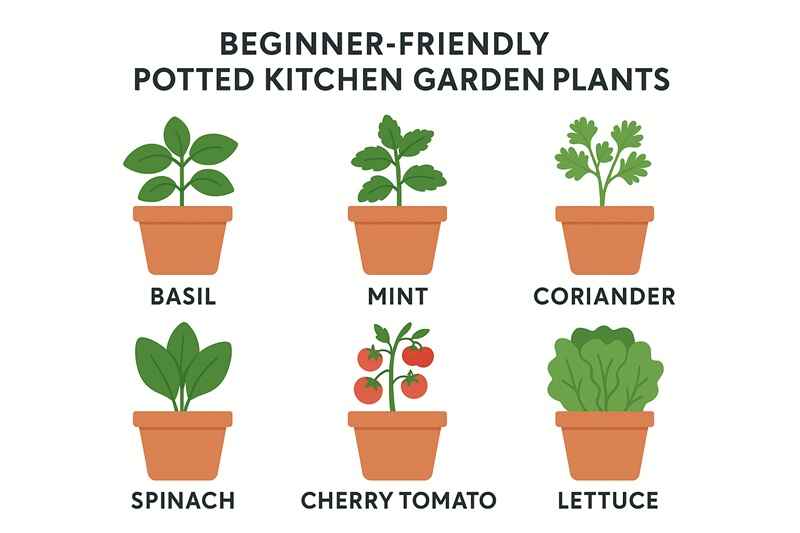
Some ideal beginner-friendly plants include basil, mint, coriander, spinach, cherry tomato, and lettuce. These plants are forgiving if watering or sunlight isn’t perfect, grow quickly, and provide fresh produce for your kitchen. Starting with these plants builds gardening confidence before expanding to other vegetables and small fruits.
For example, basil grows well in pots and can be harvested continuously by trimming leaves, encouraging new growth. Mint spreads quickly, so a separate pot is ideal to prevent it from taking over other plants. Spinach and lettuce provide a fast harvest for salads, while cherry tomatoes reward your efforts with colorful, flavorful fruits within a few weeks.
Balcony Gardening
Not everyone has a backyard, but a balcony can be transformed into a lush garden with the right setup. Use pots, grow bags, hanging planters, or vertical shelves to maximize space. Sun-loving plants like basil, cherry tomatoes, and spinach need 4–6 hours of sunlight daily, so consider your balcony’s orientation.
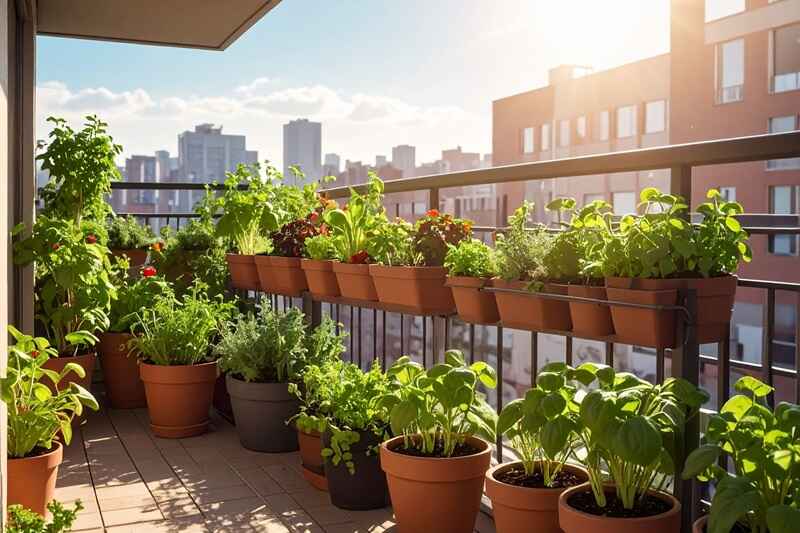
Pro tip: Vertical planters allow you to grow more plants without cluttering the floor. Hanging pots along railings or using small trellises for climbing plants like beans or cherry tomatoes is a space-saving solution. You can also group plants by water needs: for example, herbs together and vegetables together, making watering and care easier.
Consider seasonal rotation: some plants do better in cooler months (spinach, coriander), while others thrive in warm months (tomatoes, basil). Balcony gardening allows easy relocation of pots to catch sunlight or protect plants from harsh weather.
Windowsill Gardening
A sunny windowsill can serve as a small but productive garden. Herbs such as mint, rosemary, oregano, and basil thrive in pots placed on windowsills with direct sunlight. This setup makes it convenient to access fresh herbs while cooking and allows you to monitor plant health closely.

Tip: Use small pots or modular containers that fit neatly on the sill, and rotate them occasionally to ensure even growth. Windowsills are also excellent for starting seeds indoors before transplanting them to a larger container or balcony.
Essential Tools for Beginners
You don’t need expensive or advanced tools to start gardening. A few basic items make planting and maintenance easier and more efficient.
- Watering can or spray bottle: Gently waters seedlings and prevents soil displacement.
- Hand trowel and fork: Useful for digging, loosening soil, and planting seeds or cuttings.
- Pruning scissors: Trim herbs, harvest leaves, and maintain plant shape.
- Pots or grow bags: Choose according to plant type and available space; ensure proper drainage.
- High-quality potting soil: Provides nutrients and ensures healthy root growth.
- Plant labels: Track what you’ve planted, especially when growing multiple varieties.
- Fertilizer or compost: Organic fertilizers boost plant health and improve yields.
Healthy Plant Growth Indicators
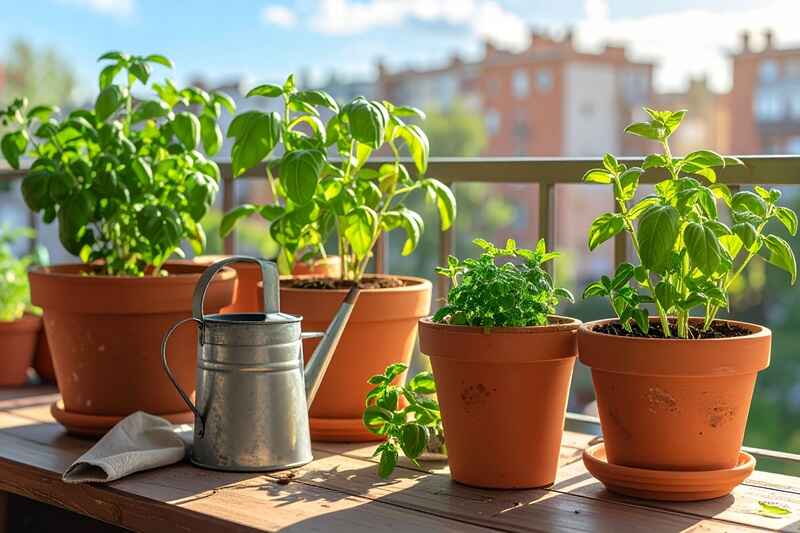
Healthy plants have vibrant green leaves, firm stems, and a fresh aroma. They respond well to sunlight and water. Regular observation helps detect problems like pests, nutrient deficiencies, or overwatering early, allowing timely intervention.
Look for new shoots and leaves, which indicate active growth. If leaves turn yellow, wilt, or develop spots, investigate sunlight, water, or soil nutrition. Some plants may need occasional pruning to encourage bushier growth or better fruiting.

Step-by-Step Guide to Planting
Follow these simple steps to start your kitchen garden:
Step 1: Prepare Soil and Plant Seeds
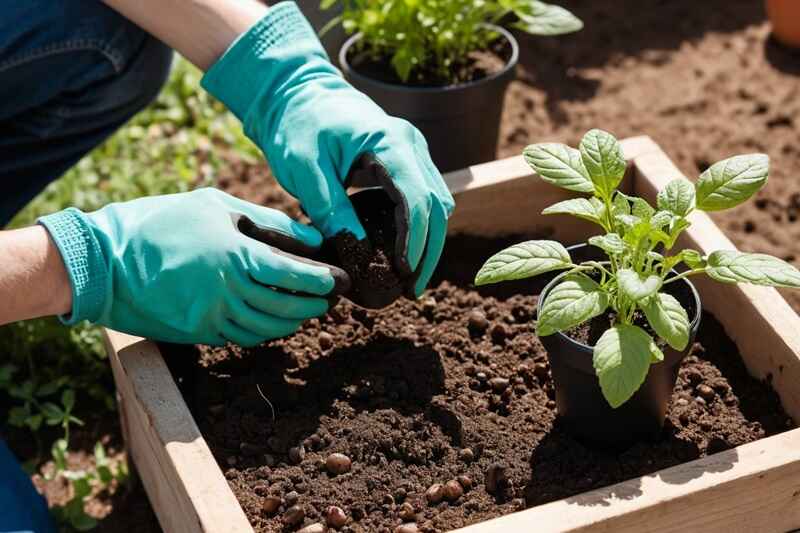
Use nutrient-rich potting mix. Plant seeds about half an inch deep. For soft cuttings like mint, plant directly in soil. Press gently and water lightly to start germination. Adding a small layer of compost boosts growth and strengthens roots.
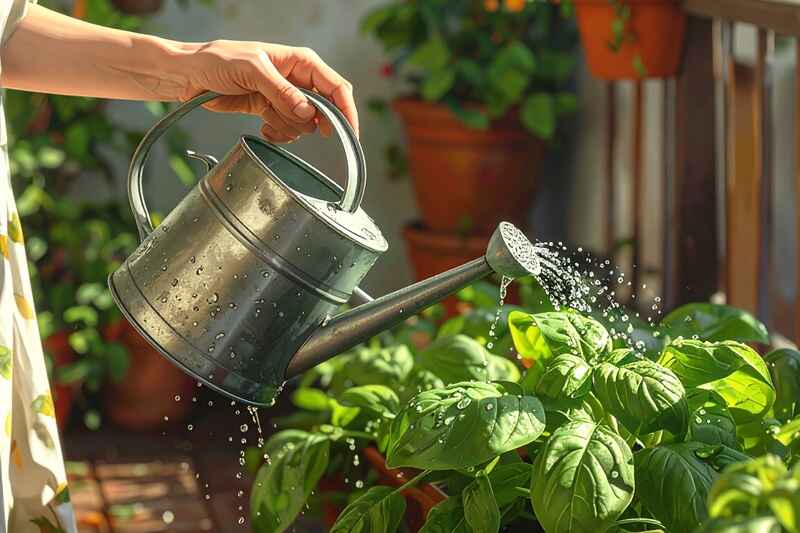
Step 2: Watering Plants Correctly
Water regularly but avoid overwatering. Ensure the topsoil is dry before watering again. Use a spray bottle for seedlings to prevent soil displacement. Remember, roots need oxygen too, so well-draining soil is essential.
Step 3: Harvesting Herbs
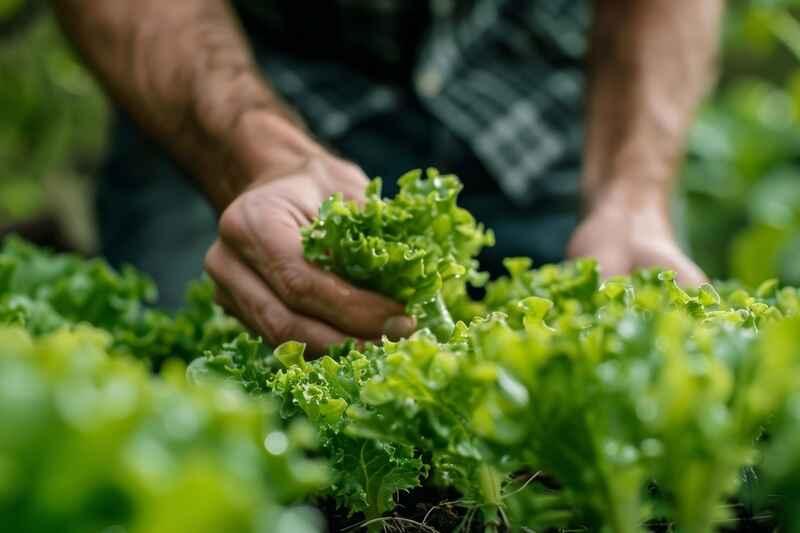
Harvest leaves once mature using scissors. Avoid cutting more than one-third of the plant at a time. Frequent harvesting encourages new growth and keeps plants healthy.
For perennial herbs like basil or mint, trimming regularly prevents flowering, which can reduce leaf quality. For leafy greens like spinach or lettuce, harvest outer leaves first and allow inner leaves to grow.
Common Mistakes Beginners Should Avoid
Even small mistakes can affect plant growth. Awareness prevents problems and ensures healthy plants.
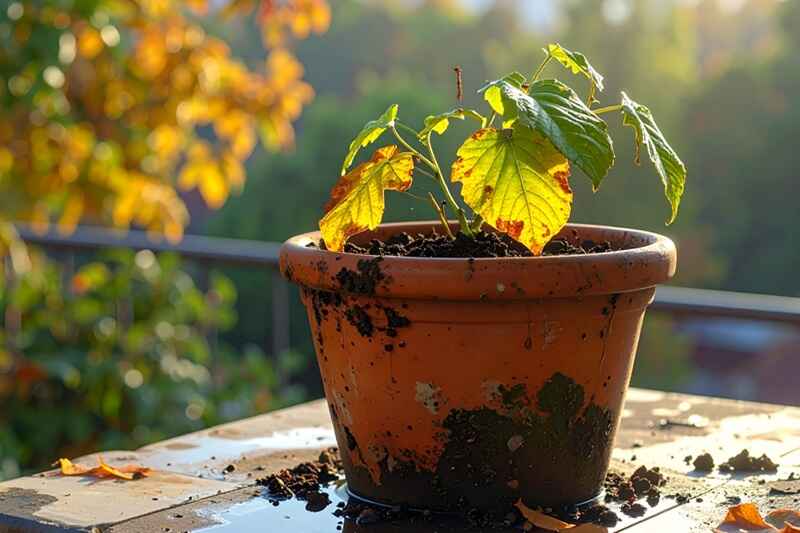
Overwatering
Too much water can suffocate roots and cause yellow leaves. Let soil dry slightly before watering again. Using pots with drainage holes prevents waterlogging.
Pest Problems
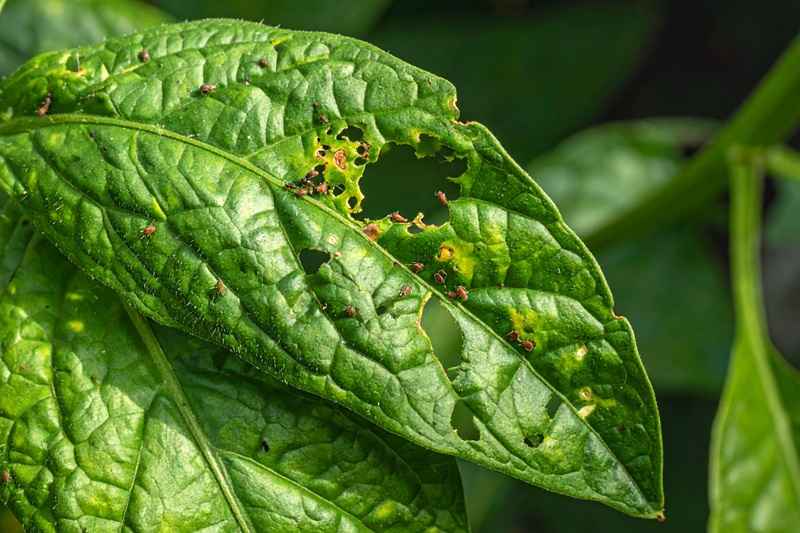
Check leaves regularly for aphids, mealybugs, or spider mites. Natural remedies like neem oil, soap water, or ladybugs control pests safely. Early action prevents severe damage.
Keep plants clean and remove any damaged leaves. Companion planting can also repel pests naturally—for example, planting marigolds alongside herbs or vegetables.
Extra Tips for Thriving Kitchen Gardens
- Rotate plants seasonally: Adjust plant varieties according to seasonal sunlight and temperature.
- Use organic compost: Enriches soil and improves plant immunity.
- Label your plants: Helps track growth and care requirements.
- Group by water needs: Easier care and avoids under/overwatering specific plants.
- Monitor growth daily: Spot pests, nutrient deficiency, or diseases early.
- Keep a gardening journal: Note planting dates, harvest times, and successes for continuous improvement.
Final Thoughts
Starting a kitchen garden is rewarding, sustainable, and enjoyable. With basic tools, beginner-friendly plants, sunlight, and consistent care, you can enjoy fresh produce year-round. Patience, observation, and regular maintenance are the keys to a thriving home garden. Remember, every small effort counts—your plants will reward you with flavor, nutrition, and the joy of nurturing life.
Frequently Asked Questions
What are the easiest plants to grow for beginners?
Basil, mint, coriander, spinach, cherry tomato, and lettuce are easy to grow, requiring minimal care and quick results.
How much sunlight do kitchen garden plants need?
Most herbs and vegetables need 4–6 hours of sunlight daily. Place them near windows or on a sunny balcony.
Can I grow a kitchen garden in small spaces?
Yes! Even a small balcony, terrace, or kitchen windowsill can support container gardening for herbs and vegetables.
How often should I water my plants?
Water when the topsoil is dry. Overwatering can damage roots, while underwatering slows growth. Frequency depends on plant type and season.
How long does it take for plants to grow?
Herbs like coriander and spinach may be ready in 4–6 weeks, while fruiting plants like tomatoes may take 8–10 weeks for harvest.
