
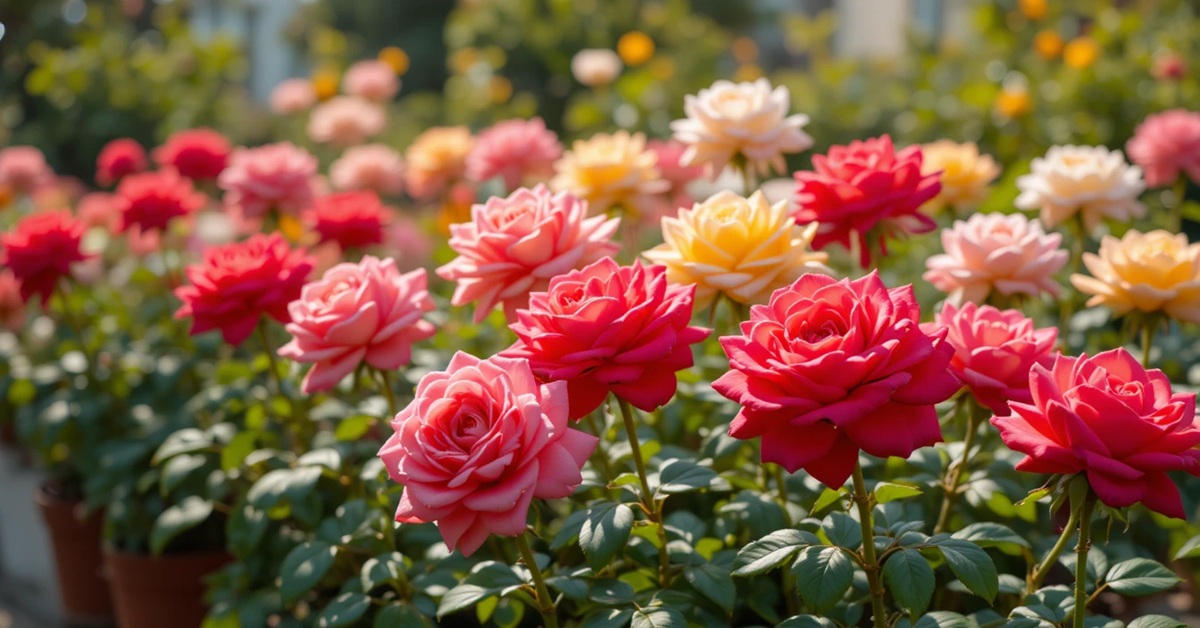
10 Things You Must Arrange Before Buying Roses Online
Buying rose plants online is becoming increasingly popular among gardening enthusiasts and beginners alike. It allows access to rare and premium varieties that may not be available in local nurseries, delivered directly to your doorstep. However, many new gardeners make the mistake of ordering roses first and preparing their space later, which often results in transplant shock, slow growth, pest attacks, or even plant death. To ensure your online rose purchase thrives, careful preparation is key. This guide will provide 10 essential things you must arrange before buying roses online, helping your plants flourish from day one.
Whether you are planning a balcony garden, terrace setup, or a backyard rose corner, this guide will ensure your plants have a healthy, nutrient-rich environment, proper sunlight, and optimal care. By following these steps, you can enjoy vibrant blooms, strong stems, and long-lasting roses all year round.
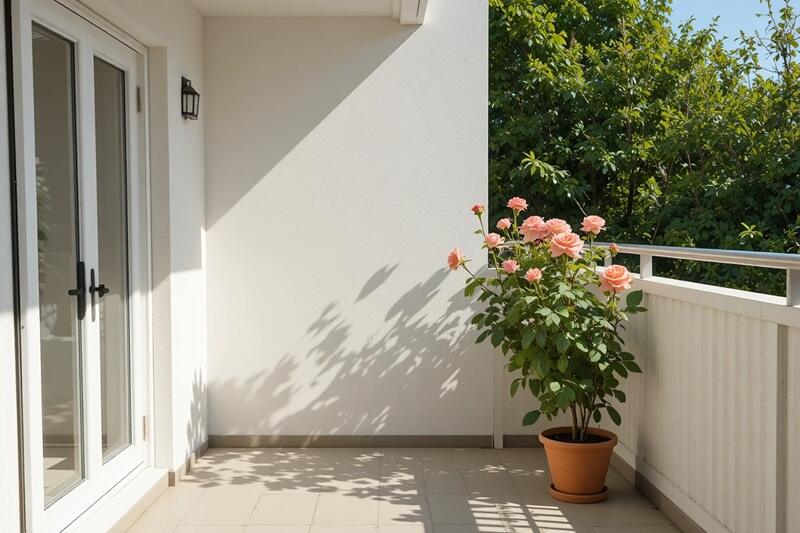
1. Select a Spot with 6–7 Hours of Bright Sunlight
Sunlight is the most critical factor for rose growth and blooming. Before placing an online order, identify a spot that receives at least 6–7 hours of direct sunlight daily. Roses planted in shaded areas often develop weak stems, limited blooms, and are more prone to fungal infections.
Tips for selecting the ideal spot:
- South-facing balconies with unobstructed sunlight
- Terrace corners receiving morning to afternoon light
- Garden spaces free from large trees, walls, or shade-casting structures
- Window ledges exposed to bright morning sun
Additionally, consider seasonal sun patterns. Some areas receive less sunlight during winter, so choose a location that gets maximum exposure year-round. Using a simple sunlight tracker or smartphone light meter app can help you find the best spot.
2. Plan Your Space and Estimate Number of Rose Plants
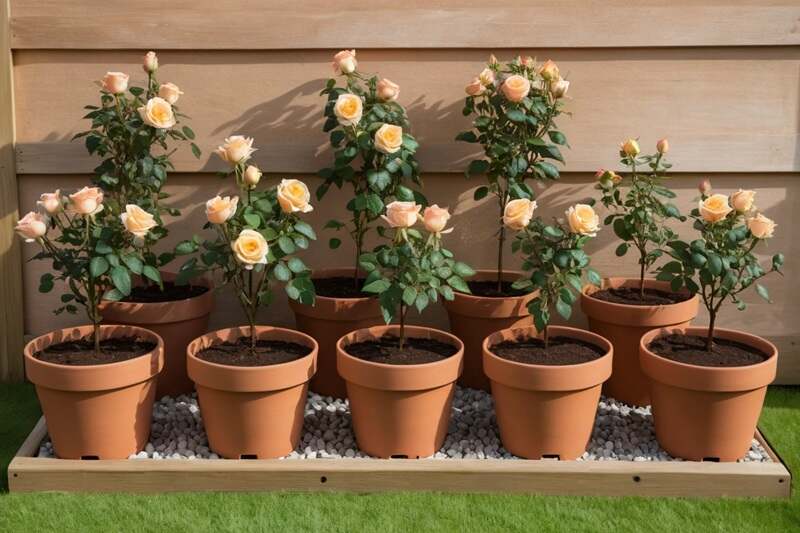
Roses need airflow, space, and proper arrangement to thrive. Overcrowding causes poor circulation, fungal infections, and pest infestations. Before ordering, measure your available area and determine how many rose pots can be placed comfortably.
Recommended spacing:
- Full-size hybrid tea or floribunda roses: 1–1.5 feet apart
- Miniature roses: approximately 1 foot apart
- Climbers: ensure vertical space with trellis or support
Visualizing the layout prevents impulsive buying and ensures each plant has enough room for healthy growth. Consider using companion plants like lavender or marigold to enhance beauty and deter pests naturally.
3. Arrange the Right Pot Size — Minimum 12 Inches
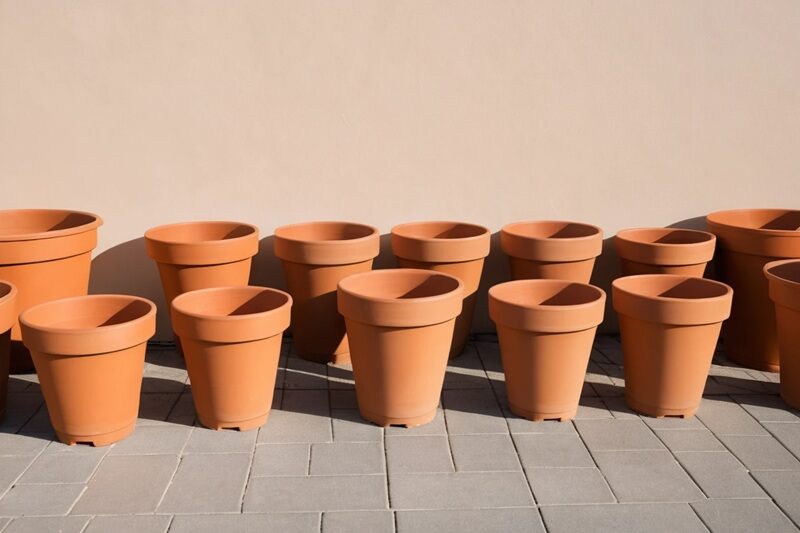
Roses have deep, widespread root systems. Using a pot smaller than 12 inches restricts growth, reduces flowering, and increases watering frequency. The ideal pot should be at least 12 inches in width and height with good drainage.
Pot material options:
- Terracotta pots – breathable and aesthetically pleasing
- Plastic pots – lightweight, durable, and easy to move
- Ceramic pots – premium look, retains moisture but heavier
Ensure each pot has at least three drainage holes to prevent waterlogging. Poor drainage can lead to root rot within days. For climbers, consider tall pots or using stakes to support upright growth.
4. Keep SAAF Fungicide Ready for Root & Soil Treatment
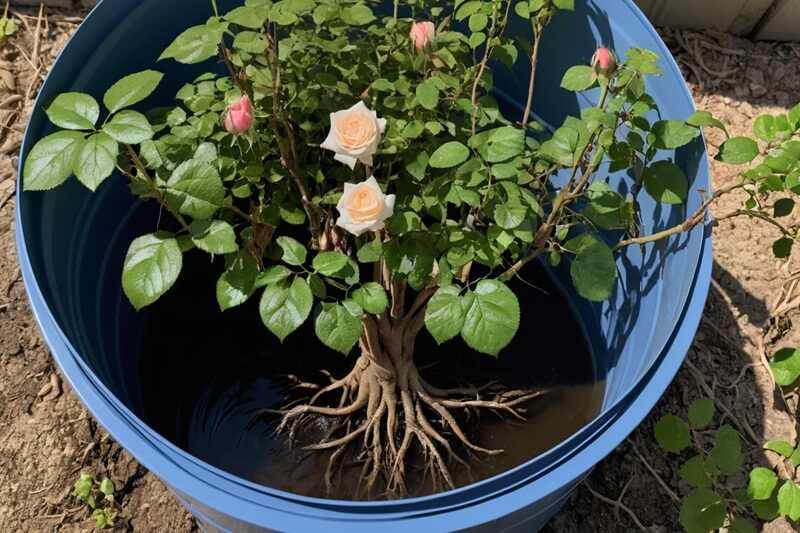
Online-ordered roses often travel long distances, experiencing changes in temperature and moisture. These conditions make them vulnerable to fungal infections. Treating the plant immediately upon arrival reduces the risk of root rot, dieback, and black spot disease.
How to prepare the fungicide solution:
- Mix 2 grams of SAAF fungicide per liter of water
- Soak bare roots for 20–30 minutes before planting
- If repotting from a poly bag, dip soil lightly in the solution
Using a fungicide prevents early-stage fungal infections, ensuring your rose establishes strong roots and healthy growth from day one.
5. Prepare a Healthy Soil Mix Before Ordering
Roses thrive in nutrient-rich, well-draining, and aerated soil. Preparing your soil mix in advance reduces transplant shock and promotes healthy roots and blooms.
Recommended rose soil mix:
- 40% sterilized garden soil
- 40% cow-dung compost
- 20% coco peat or sand for drainage
Optional additions for enhanced growth:
- Bone meal for long-term nutrition
- Neem cake powder to repel soil pests
- Perlite for extra aeration and drainage
A well-prepared soil mix ensures the plant receives sufficient nutrients and reduces stress during repotting.

6. Arrange a High-Quality Garden Pruner
A pruner is a must-have tool for rose care. Pruning removes dead or diseased stems, shapes the plant, and encourages new blooms. Using a proper pruner ensures clean cuts without damaging stems, reducing infection risk.
Benefits of a good pruner:
- Sharp, clean cuts for healthy stems
- Reduces bruising and disease risk
- Encourages better flowering
- Improves overall plant aesthetics
Avoid using household scissors or knives. A proper garden pruner is essential for long-term rose care.

7. Keep DAP Fertilizer for Strong Root Growth
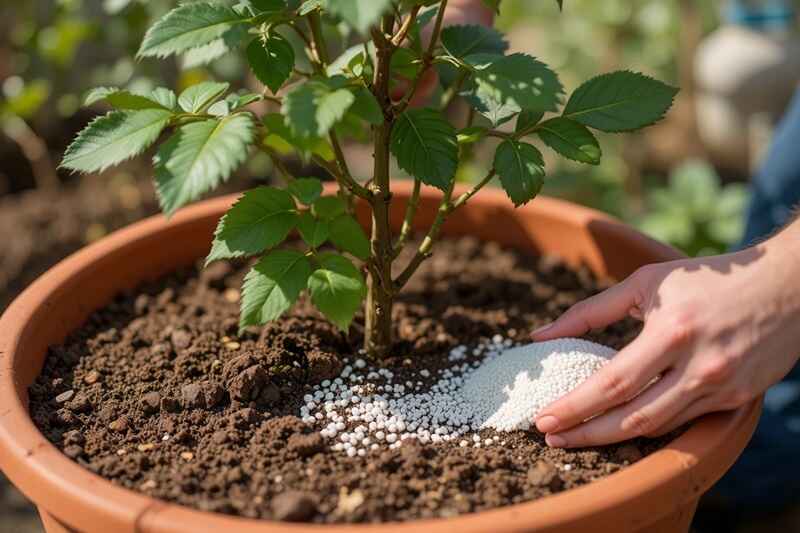
After repotting and allowing the plant to stabilize for 10–12 days, apply a small amount of DAP fertilizer to encourage robust root growth. Excess fertilizer can burn young roots, so use sparingly.
Application tips:
- Apply a pinch around the root zone
- Water immediately after fertilizing to avoid root burn
- Use alongside organic fertilizers for balanced nutrition
DAP helps strengthen stems, promotes faster growth, and results in larger, healthier blooms.
8. Keep Insecticide and Spray Bottle Ready
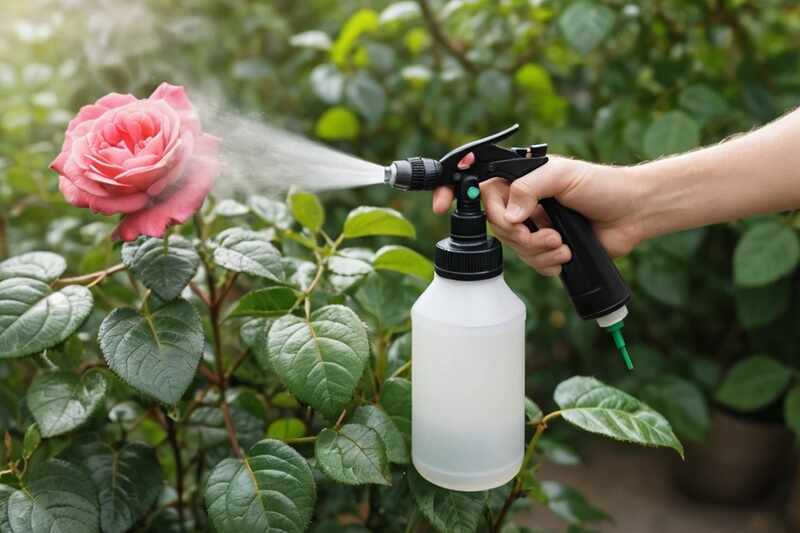
Roses are susceptible to pests such as aphids, thrips, mites, and leaf miners. Having a spray bottle and safe insecticide ready ensures prompt action at the first sign of infestation.
Suggested spraying schedule:
- First spray: 7–10 days after planting
- Repeat every 7–10 days
- Spray early morning or late evening to avoid leaf burn
Using a spray bottle ensures gentle, even coverage without disturbing the soil.
9. Prepare Your Watering Routine
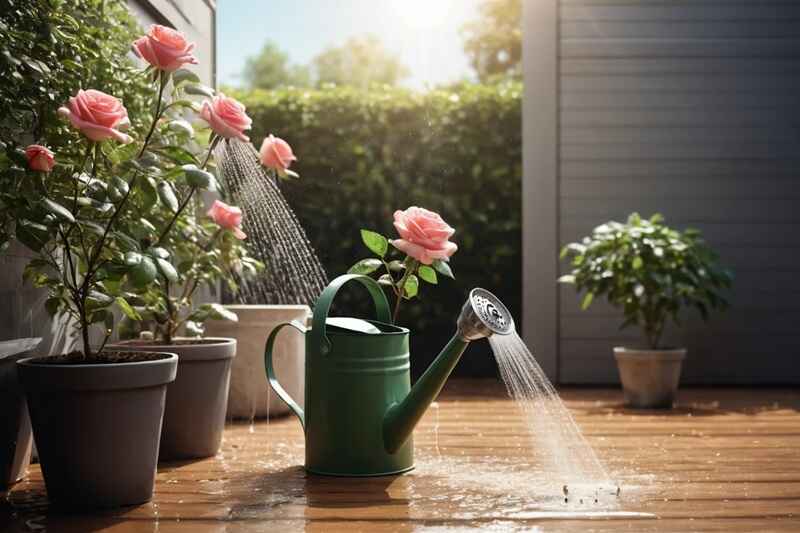
Roses need consistent watering but dislike waterlogging. A watering schedule ensures roots remain moist without causing rot.
General watering guidelines:
- Summer: water daily, preferably in the morning
- Winter: water alternate days
- Rainy season: water only when soil dries
Use a watering can with a shower-head nozzle to prevent soil displacement and gently hydrate the roots.
10. Research and Choose the Right Rose Varieties
Before buying roses online, research the different types and their growth requirements. Each variety differs in bloom size, fragrance, maintenance level, and climate preference.
Popular rose types:
- Hybrid Tea Roses – large, classic blooms
- Floribunda Roses – profuse flowering
- Miniature Roses – ideal for balconies and small spaces
- Climbing Roses – perfect for walls, trellises, or arches
- Fragrant Roses – strong aroma lovers
Selecting the right variety ensures you get the bloom color, fragrance, and maintenance level you desire.
Final Thoughts
Growing roses successfully is less about luck and more about preparation. By arranging the sunlight, pots, soil mix, fungicide, fertilizers, tools, and watering routine beforehand, you create the perfect environment for your rose plant. Healthy roses bloom continuously, exhibit vibrant colors, and add fragrance and beauty to any space.
Take the time to plan carefully, follow this guide, and your roses will reward you with years of stunning blooms and thriving growth.
Frequently Asked Questions
1. When is the best time to buy roses online?
Early winter and spring are ideal for ordering roses online. Avoid peak summer to prevent heat stress during transit and ensure better survival rates.
2. How soon will my rose plant start blooming?
Most healthy rose plants bloom within 25–40 days after transplanting, depending on the variety and care provided.
3. Should I repot my rose plant immediately after delivery?
Yes. Repotting the same day or next day using fresh, well-prepared soil helps the plant recover from shipping shock and ensures robust growth.
4. How often should I fertilize rose plants?
Fertilize lightly every 15–20 days and always use organic liquid fertilizer for safe, steady growth and strong blooms.
5. Can roses grow in indirect sunlight?
No. Roses require at least 6–7 hours of direct sunlight daily. Insufficient light leads to weak plants and poor flowering.
6. How can I protect rose plants during transit?
Unpack them immediately, remove damaged leaves, soak roots in fungicide, and plant in prepared soil. Keep them in a shaded, cool area for the first 2–3 days.
7. Which organic fertilizers work best for rose plants?
Liquid compost, seaweed extract, cow dung slurry, and organic seaweed fertilizers provide steady growth, healthy foliage, and rich blooms without chemical burn.
8. How to identify early signs of pest infestation?
Look for discolored leaves, holes, sticky residue, curled leaves, or small insects. Early detection allows timely treatment with organic insecticides.
