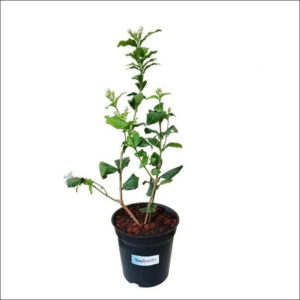
Description
🌿 Cordyline Plant XL – Overview
The Cordyline Plant XL, often known as Ti Plant, Cabbage Palm, or Good Luck Plant, is a bold and tropical evergreen known for its striking, sword-shaped leaves that come in vibrant shades of green, burgundy, pink, or purple depending on the variety. Native to Southeast Asia and the Pacific Islands, Cordylines are popular both as indoor houseplants and outdoor landscape plants due to their dramatic foliage and relatively easy care.
Cordyline is not only an ornamental statement piece but is also believed in some cultures to bring good luck and protection, making it a meaningful addition to homes and gardens.
🌱 Planting Cordyline
☀️ Light Requirements:
- Outdoors: Thrives in partial shade to full sun, but needs protection from harsh afternoon sun in hot climates.
- Indoors: Requires bright, indirect light. Too much shade will reduce leaf color intensity.
🌱 Soil Needs:
- Prefers well-draining, loamy soil.
- Slightly acidic to neutral pH (6.0–7.0) is ideal.
- In pots, use a premium potting mix with added perlite or sand.
🪴 Potting (for indoor use):
- Ensure the pot has good drainage holes.
- Repot every 2–3 years or if root-bound.
💧 Cordyline Care Guide
💦 Watering:
- Keep soil evenly moist, not soggy.
- Allow the top inch of soil to dry between waterings.
- Cordylines are sensitive to chemicals in tap water—use rainwater, filtered, or distilled water when possible.
🌬️ Humidity:
- Prefers high humidity (especially indoors).
- Mist the leaves or use a humidifier or pebble tray to maintain moisture in the air.
🌡️ Temperature:
- Ideal range: 60–85°F (16–29°C).
- Protect from cold drafts and temperatures below 50°F (10°C).
🌿 Feeding:
- Fertilize every 4–6 weeks during growing season (spring and summer) with a balanced, water-soluble fertilizer.
- Avoid over-fertilizing—less is more with Cordyline.
✂️ Pruning:
- Remove any yellowing or dead leaves to maintain appearance.
- Prune leggy stems to promote fuller growth.
🐛 Common Pests & Problems
- Pests: Watch for mealybugs, spider mites, and scale—wipe leaves and treat with neem oil or insecticidal soap.
- Diseases: Root rot can occur from overwatering. Ensure soil drains well.
- Leaf Issues: Brown tips often result from low humidity or fluoride in water.
🌼 Bonus Tips:
- Wipe leaves regularly to remove dust and help with photosynthesis.
- Use mulch in outdoor settings to retain moisture.
- Can be propagated via stem cuttings or air layering.
- Some varieties are toxic to pets if ingested—keep out of reach of cats and dogs.