

The Ultimate Beginner’s Guide to Indoor Plant Care & Maintenance
Bringing indoor plants into your home is one of the easiest ways to add life, beauty, and positivity to your space. Whether you’re a first-time plant parent or someone who has struggled to keep plants alive in the past, this guide will give you the confidence to start fresh. The secret is simple: understanding your plants’ needs. Once you know the basics of light, water, soil, and placement, you’ll find that most plants are forgiving and easy to manage. In this detailed guide, we’ll cover 8 essential aspects of plant care—from choosing the right plant to spotting signs of poor health. By the end, you’ll have all the knowledge to keep your indoor jungle thriving.
1. Choosing the Right Plant for Your Space
The first step in becoming a successful plant parent is choosing the right plant for your environment. Not every plant thrives in the same conditions. For example, succulents like Aloe Vera and Jade Plant love sunny windowsills, while plants like Snake Plant or Peace Lily can survive in lower light corners of your home. If you’re busy or travel often, low-maintenance options such as ZZ Plant, Money Plant, or Snake Plant are perfect choices since they can withstand neglect. On the other hand, if you enjoy gardening as a hobby and want a bit of a challenge, flowering plants like Hibiscus or Orchids may suit you better. Always consider your light availability, lifestyle, and room size before bringing a new plant home.
A quick tip: Visit Yoidentity to buy beginner-friendly, easy-to-care plants. Our plant experts recommend hardy species that perfectly match your needs.
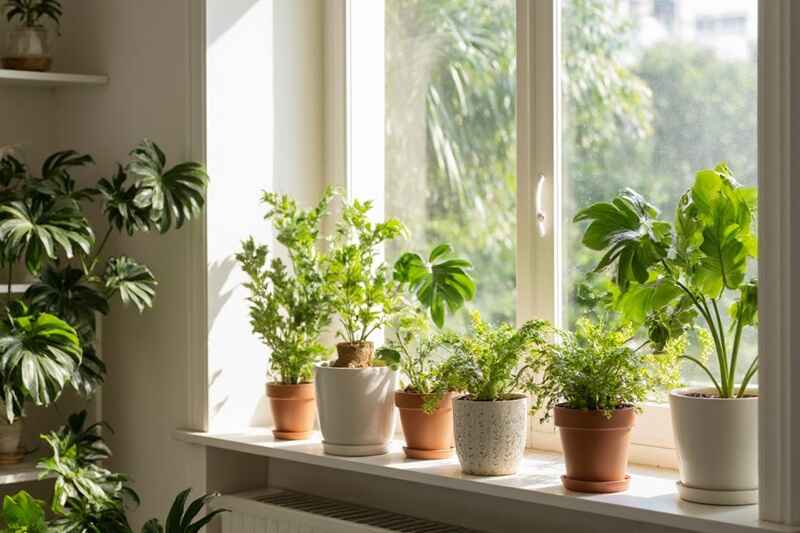
2. Watering: How Much & How Often
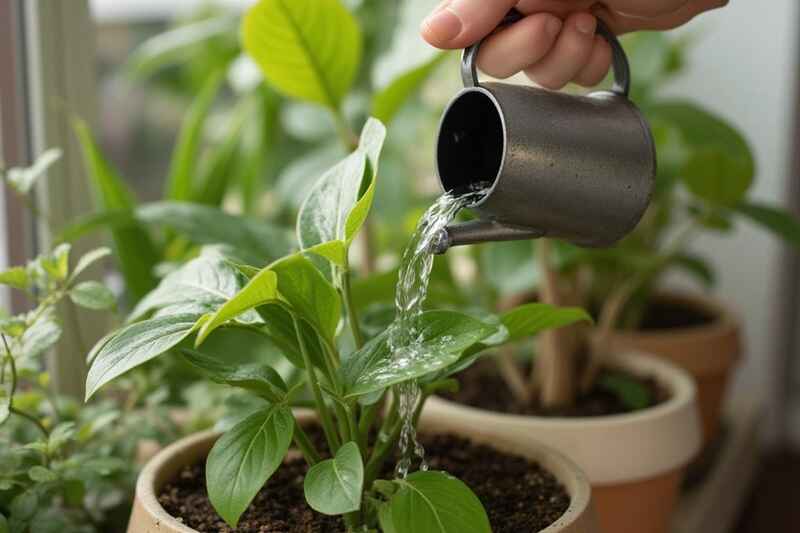
Watering is the area where most beginners struggle. Too much water can cause root rot, while too little leaves your plant dehydrated. The rule of thumb is to check the soil moisture before watering. Stick your finger about an inch into the soil—if it feels dry, it’s time to water. If it’s still moist, wait another day or two. For succulents and cacti, watering once every 10–15 days is usually enough. For leafy plants like Areca Palm, Rubber Plant, or Ferns, weekly watering is essential. Remember: different seasons affect watering needs. In summer, plants may need more water due to heat, while in winter they require less.
Always water thoroughly until you see water draining from the pot. This ensures the roots get enough hydration without leaving excess water sitting in the soil.
3. Sunlight & Placement Tips
Sunlight is food for plants—it helps them photosynthesize and grow. However, not all plants need the same light. Some thrive in direct sunlight, while others prefer shaded corners. For instance, succulents, Hibiscus, and Bougainvillea love direct sun. In contrast, Peace Lily, Snake Plant, and ZZ Plant do well in low-light rooms. If you live in an apartment with limited sunlight, consider using grow lights to give your plants an artificial boost.
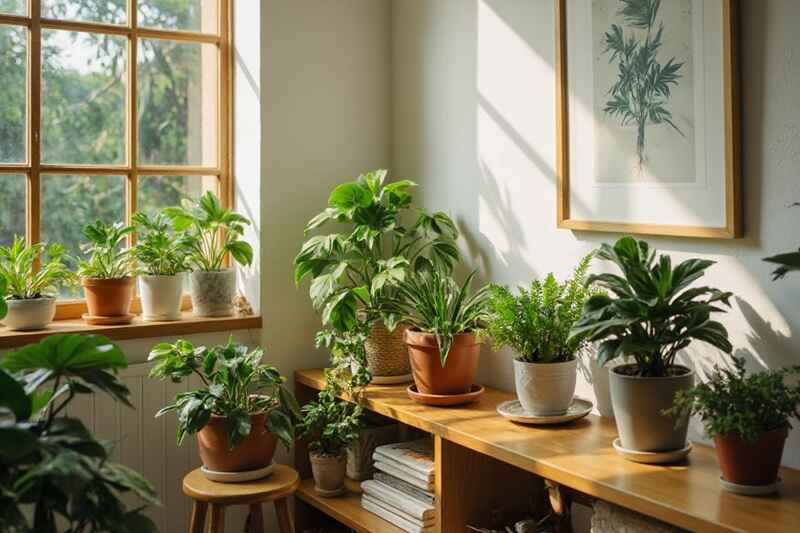
Placement also matters. Avoid keeping plants too close to heaters, AC vents, or drafty windows. Rotate your plants once every two weeks so all sides get equal light and grow evenly.
4. Common Mistakes to Avoid
Many beginners unknowingly harm their plants by making common mistakes. The most frequent ones include:
- Overwatering: Plants need water, but not drowning. Always let the soil breathe.
- No drainage: Pots without holes trap water and kill roots.
- Poor soil choice: Garden soil is too heavy for pots—use a well-draining potting mix instead.
- Frequent moving: Plants don’t like constant relocation. Once placed, let them settle.
- Ignoring pests: Early signs of mealybugs or spider mites are often overlooked.
Avoiding these mistakes will keep your plants happier and healthier in the long run.
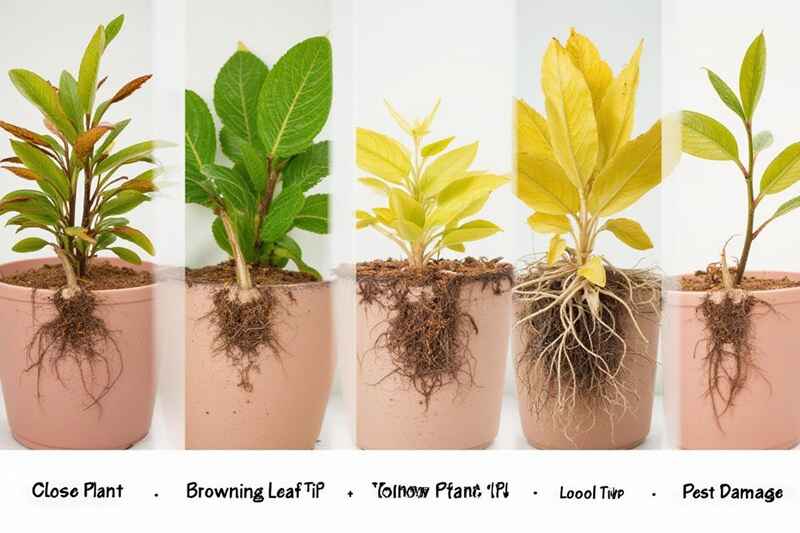
5. Signs Your Plant is Unhealthy
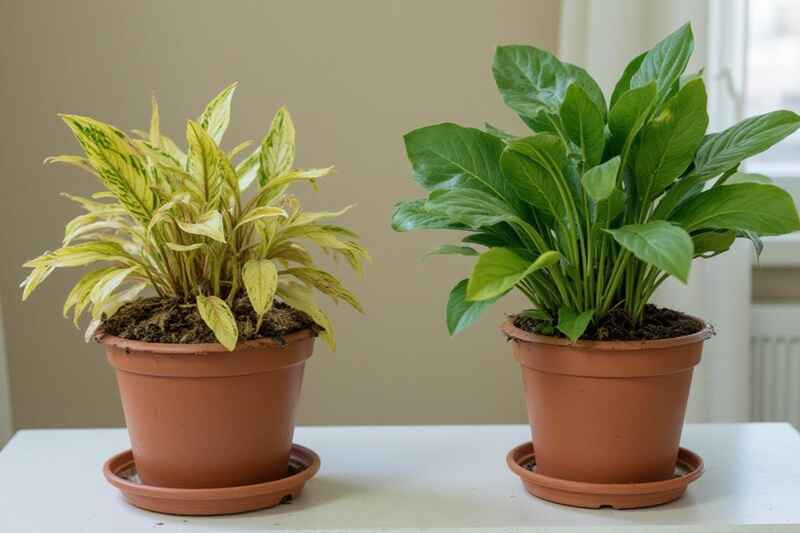
Plants can’t speak, but they show signs when something is wrong. Learning to identify these signals helps you save them in time.
- Yellow leaves: Usually a sign of overwatering or poor drainage.
- Brown tips: Indicates low humidity or too much fertilizer.
- Drooping leaves: Could mean underwatering or lack of sunlight.
- Slow growth: May suggest poor soil nutrition.
- Sticky leaves or white spots: Signs of pests like aphids or mealybugs.
Acting early on these signals will ensure your plants bounce back quickly.
6. Tools Every Plant Parent Needs
Having the right tools makes plant care more enjoyable and less stressful. A beginner’s toolkit should include:
- Watering can: Preferably with a long, narrow spout for accurate watering.
- Pruning shears: For trimming dead leaves and promoting new growth.
- Moisture meter: Helps you avoid over or underwatering by checking soil moisture.
- Mister spray bottle: Useful for humidity-loving plants like ferns.
- Good quality potting mix: Ensures roots get proper air and drainage.

7. Before & After Comparison
Watching plants grow is deeply rewarding. With proper care, you’ll notice visible changes in just a few weeks—leaves look greener, new shoots emerge, and flowers start to bloom. Taking “before and after” photos of your plants can keep you motivated. It’s also a reminder that patience is key in gardening. Don’t worry if progress seems slow—plants grow steadily with consistency and care.

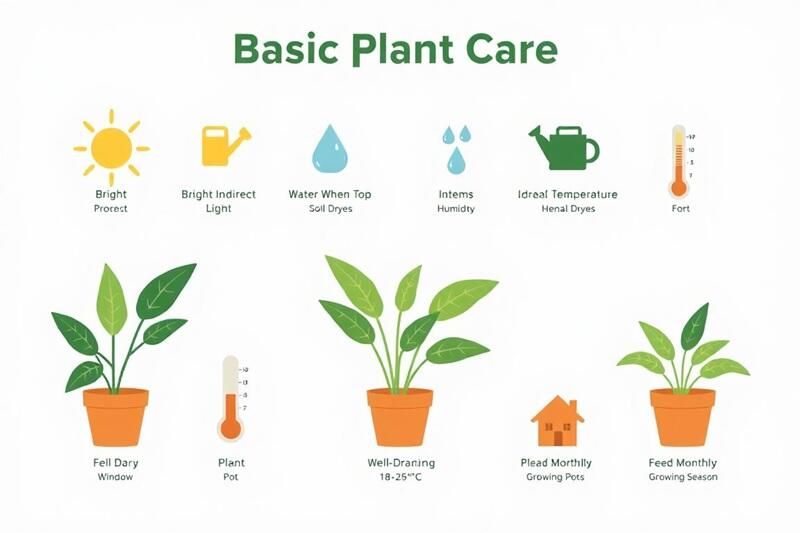
8. Plant Care Infographic
To make plant care even easier, we’ve created a simple infographic that summarizes everything covered above. You can print it out, save it on your phone, or share it with fellow plant lovers. This quick reference will remind you of the dos and don’ts of indoor plant care.
Final Thoughts
Indoor plants don’t just decorate your space—they improve air quality, reduce stress, and bring positive vibes. With this beginner’s guide, you now know how to choose the right plants, water wisely, provide sunlight, avoid mistakes, and use the right tools. Remember, plants respond best to consistency, love, and patience. Start with one or two easy plants, gain confidence, and gradually expand your indoor jungle. Soon, you’ll have a thriving green corner that brightens your home and lifts your mood daily.
Frequently Asked Questions
What is the easiest plant for beginners?
Snake Plant, Money Plant, and Aloe Vera are some of the easiest plants to start with. They require minimal care and thrive even with occasional neglect.
How do I know if my plant is getting too much water?
Yellowing leaves, mushy stems, and a foul smell from the soil are signs of overwatering. Always check soil moisture before adding more water.
Can indoor plants survive without sunlight?
Yes, plants like Peace Lily, ZZ Plant, and Snake Plant can grow in low-light conditions. However, all plants need some form of light to stay healthy.
How often should I repot my plants?
Most indoor plants should be repotted every 1–2 years, or when roots start poking out of the drainage holes.
Do I need special soil for indoor plants?
Yes, use a high-quality potting mix that provides good drainage and airflow. Avoid heavy garden soil as it can suffocate roots.
